
The way waste is recorded in the UK is about to change significantly.
From 1 October 2026, mandatory digital waste tracking will apply to permitted and licensed waste receiving sites in England and Wales, with the requirement extending to Scotland and Northern Ireland from January 2027. The Government’s public beta service has already opened, giving waste receivers an opportunity to prepare before the legal requirement takes effect.
For the food waste sector, this is another important step towards a more transparent, accountable and data-driven waste management system. And the timing matters.
As businesses adapt to changing recycling requirements, including Simpler Recycling, the focus is increasingly moving beyond simply putting the right material in the right bin. Businesses and waste operators need greater visibility of what happens to waste after collection, including where it goes, how it is handled and whether it is recovered or disposed of.
For food waste, that journey can be particularly important.
When separately collected food waste is sent for anaerobic digestion (AD), it can be transformed into renewable energy and biofertiliser rather than being buried in landfill.
Digital tracking could help make that journey more visible.
What is digital waste tracking?
The Government’s Digital Waste Tracking Service is designed to modernise the way waste movements are recorded across the UK.
The first phase focuses on permitted and licensed waste receiving sites. These sites will need to record details of the controlled waste they receive through the digital system. This includes information such as waste movement details, carrier and receiver information, waste classification codes and recovery or disposal codes.
The Government says the system is intended to tackle the information gaps associated with existing waste-recording systems, while helping regulators combat waste crime and support a more circular economy.
In other words, the ambition is simple: better data, better visibility, better accountability. And for food waste, better visibility can help demonstrate the journey from bin to resource.
When does mandatory digital waste tracking start?
There are different implementation dates depending on where the receiving site is located.
| Nation | Mandatory digital waste tracking for receiving sites |
|---|---|
| England | 1 October 2026 |
| Wales | 1 October 2026 |
| Northern Ireland | 1 January 2027 |
| Scotland | 1 January 2027 |
These dates have been confirmed in the Government’s latest Digital Waste Tracking Service guidance.
The public beta has been available since 28 April 2026, allowing permitted waste receivers to begin testing and preparing their systems ahead of mandatory reporting.
That means October is no longer a distant regulatory milestone. For affected waste receivers in England and Wales, preparation needs to be happening now.
Who needs to comply?
The first phase is focused on organisations that are licensed or permitted to receive controlled waste.
According to GOV.UK, this includes permitted operations, installations and mobile plants, as well as sites where waste is received on the same site where it is produced.
The Government estimates that Phase 1 covers around 12,000 permitted waste receiving sites.
Household waste recycling centres also have specific requirements. In England, operators will need to record commercial waste received into permitted sites during Phase 1, while household waste received from residents at English HWRCs is excluded from this requirement.
The system will eventually expand beyond waste receiving sites. Phase 2 is planned to cover waste collectors, including carriers, brokers and dealers, with mandatory requirements currently planned for October 2027.
The two-working-day rule: why timing matters
One of the most important requirements for waste receivers is the deadline for submitting information.
For waste received in England and Wales, records must be submitted within two working days, excluding weekends and bank holidays, starting from the day after the waste is received.
For example, if a permitted receiving site receives a load on Monday morning, the receipt must be submitted and a unique reference number obtained by 11:59pm on Wednesday. That makes accurate operational data increasingly important.
For food waste businesses handling regular collections and deliveries, digital systems need to work alongside day-to-day operations rather than becoming an additional administrative headache.
How will businesses report waste digitally?
The Government’s service is designed to work with compatible waste management software through an API (Application Programming Interface).
Software providers can connect their systems to the Government’s Digital Waste Tracking Service, allowing waste information to be uploaded digitally. GOV.UK maintains a list of compatible software providers.
The Government is also developing a temporary alternative for waste receivers that do not currently use waste management software, including a spreadsheet-based approach.
For established waste operators, however, digital integration offers an opportunity to make compliance part of existing operational processes rather than relying on manual paperwork.
What information needs to be recorded?
Digital waste tracking isn’t simply about recording that a bin or load has arrived.
The required information includes:
- Waste movement details
- Carrier and receiver information
- Waste classification codes
- Recovery and disposal codes
- Information relating to persistent organic pollutants where relevant
- Hazardous waste information where relevant
This creates a much richer picture of waste movements. For food waste, accurate classification and recording are particularly important because the material can have a very different environmental outcome depending on how it is managed.
Food waste sent to landfill is a wasted resource. Food waste sent to AD can become renewable energy and biofertiliser. That distinction matters.
Food waste: from waste stream to energy stream
This is where digital waste tracking connects with the bigger circular economy story. Food waste contains valuable organic material and energy potential.
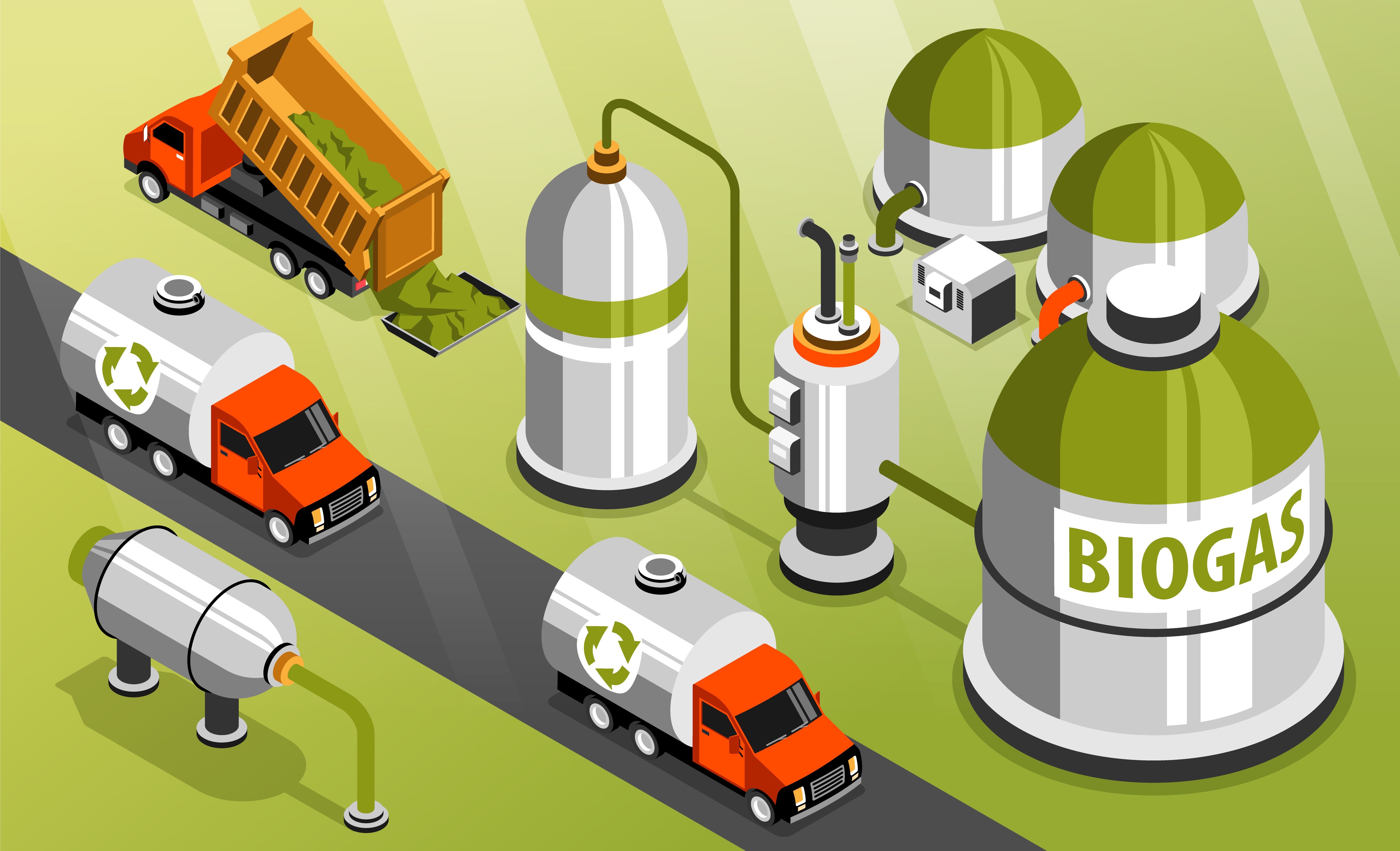
Through anaerobic digestion, microorganisms break down organic material in an oxygen-free environment, producing biogas. This can be processed into biomethane or used to generate renewable electricity and heat. The remaining digestate can also be used as a fertiliser or soil improver, subject to the relevant standards and regulations.
Instead of a linear journey: Food → bin → landfill
AD creates a circular journey: Food waste → collection → anaerobic digestion → renewable energy + biofertiliser → new value
For businesses looking to reduce their environmental impact, understanding and demonstrating this journey is becoming increasingly important.
Digital tracking and the fight against waste crime
There is another important reason behind the Government’s move towards digital tracking: waste crime.
The Government says illegal waste activity damages the environment, harms communities, undermines legitimate businesses and costs the UK economy an estimated £1 billion per year.
Digital records can help regulators build a clearer picture of where waste comes from, where it is received and how it is managed.
The Government has described the new system as a way of giving regulators better evidence to tackle rogue operators while making compliance easier for legitimate businesses. For responsible waste operators, that is an important distinction.
A transparent waste industry should make it easier to demonstrate good practice and harder for irresponsible operators to hide poor practice.
Does digital tracking replace waste transfer notes?
Not initially. This is an important point for businesses and waste receivers preparing for the October 2026 changes.
GOV.UK states that existing paper-based tracking methods will initially continue alongside the new digital service. This means businesses must continue to complete waste transfer notes, Annex VII forms and hazardous waste consignment notes where required. Waste returns and hazardous waste consignee returns must also continue in line with current requirements until further notice.
So digital waste tracking should not currently be viewed as a simple replacement for every existing waste record.
It is part of a phased transition towards a more comprehensive digital waste tracking system.
How does this fit with Simpler Recycling?
Digital waste tracking and Simpler Recycling are different pieces of the UK’s evolving waste policy landscape.
Simpler Recycling is primarily concerned with creating more consistent recycling requirements and increasing the separate collection of recyclable materials, including food waste.
Digital waste tracking is concerned with recording waste movements digitally. But there is a clear connection. As more businesses separate food waste and other recyclable materials, the UK will need robust systems capable of showing what happens to those materials once collected.
For food waste, that means supporting a system in which separately collected material can be managed as a valuable resource rather than simply treated as rubbish.
The Government’s own Simpler Recycling impact assessment recognises the importance of sufficient AD capacity as food waste collections increase.
What does this mean for food waste producers?
If you’re a restaurant, hotel, café, food manufacturer, school, retailer, office, care facility or other organisation producing food waste, digital waste tracking is worth understanding even if you are not the permitted receiving site responsible for Phase 1 reporting. Why? Because better waste data is becoming an increasingly important part of responsible waste management.
Businesses should be asking:
Where does our food waste go?
Is it being separately collected?
Is it being recycled or recovered?
Can we demonstrate the journey?
Are we working with a waste provider that understands the changing regulatory landscape? These questions go beyond compliance. They are about accountability.
Compliance to confidence
Regulation can sometimes feel like another box to tick.
But digitalisation could ultimately make waste management more useful to businesses.
Good waste data can help organisations understand:
- How much food waste they generate
- How frequently it is collected
- Where waste is going
- How waste is being treated
- Opportunities to reduce waste at source
- Progress towards sustainability objectives
- Evidence to support environmental reporting
For businesses operating across multiple locations, this visibility can become particularly valuable.
Instead of waste being something that disappears when the bin is emptied, organisations can start to see it as a measurable resource stream.
What should businesses do now?
For organisations affected directly by the October 2026 requirements, waiting until September is not a great strategy. Start preparing now.
1. Understand your obligations
Check whether your organisation operates a permitted or licensed site receiving controlled waste.
The official GOV.UK guidance provides the most up-to-date information on who needs to report and what information must be submitted.
2. Review your current systems
Understand how your organisation currently records incoming waste.
Is the information digital? Is it accurate? Can it be transferred into compatible software?
3. Check software compatibility
If you are required to report digitally, review the Government’s list of compatible software providers and assess whether your existing systems can connect to the service.
4. Get your teams ready
Digital compliance isn’t simply an IT project.
Operational teams need to understand what information must be captured and when.
5. Don’t forget existing records
Continue meeting current requirements for waste transfer notes, hazardous waste documentation and other relevant returns during the transition.
Why better food waste data matters
The UK’s waste system is becoming more transparent. That is a good thing. For food waste, the objective should not simply be to collect more. It should be to reduce unnecessary food waste, capture what remains separately and make sure it goes to the best available treatment route.
Digital tracking can help create greater visibility across that journey.
And when food waste reaches anaerobic digestion, the story doesn’t have to end at the bin. It can become renewable energy, biomethane, electricity, heat and biofertiliser. That’s the circular economy in action.
October deadline is approaching
1 October 2026 is the key date for permitted and licensed waste receiving sites in England and Wales.
1 January 2027 follows for Scotland and Northern Ireland.
The public beta is already available, so affected operators have an opportunity to prepare before mandatory reporting begins. For everyone involved in the food waste chain, the direction of travel is clear. Less guesswork, more data, better traceability and stronger compliance. And a more circular approach to the resources we throw away.
At Keenan Recycling, we believe food waste should be seen not as an end-of-life material, but as a resource with another life to give.
Because the smartest bin is the one that starts a circular journey.
Frequently Asked Questions
When does mandatory digital waste tracking begin?
It becomes mandatory for permitted and licensed waste receiving sites in England and Wales on 1 October 2026, and in Scotland and Northern Ireland on 1 January 2027.
Who has to report waste digitally?
Phase 1 applies to organisations that are licensed or permitted to receive controlled waste.
How quickly must waste receipts be recorded?
In England and Wales, waste receipts must be submitted within two working days, excluding weekends and bank holidays, starting on the day after receipt.
Does digital waste tracking replace waste transfer notes?
Not initially. Existing waste transfer notes and other relevant documentation continue during the transition.
Does digital waste tracking apply to food waste?
Most commercial waste is controlled waste, and the system applies to controlled waste received at affected permitted or licensed sites.
Why is digital waste tracking being introduced?
The Government says it will help close information gaps, improve regulatory oversight, tackle waste crime and support the UK’s transition towards a circular economy.