The issue of food waste has reached a critical point, with an alarming 10.7 million tonnes of food being wasted annually in the UK alone. This translates to a staggering 15 billion meals, contributing significantly to climate change and economic inefficiency. To address this pressing problem, there is a growing movement to introduce mandatory food waste reporting for businesses.
The UK government’s commitment to creating a circular economy, as emphasised by Environment Secretary Steve Reed, has gained significant momentum. However, despite the ambitious target of halving food waste by 2030, concrete measures to achieve this goal have been lacking.
To address this pressing issue, a group of 33 leading businesses, including Sainsbury’s, Tesco, Abel & Cole, Olio, and Bidfood, have jointly urged the government to introduce mandatory food waste reporting. This policy change, initially proposed in 2018, is seen as a crucial step in reducing food waste and fostering a more sustainable future.
The businesses, convened by Too Good to Go and the British Retail Consortium (BRC), argue that mandatory reporting would provide valuable insights into food waste hotspots, enabling businesses to develop effective waste reduction plans. While voluntary initiatives have shown some progress, a mandate is deemed necessary to tackle this issue at scale, considering the significant economic cost of food waste in the UK.
Government’s commitment to a circular economy
The open letter to the government highlights the industry’s strong support for this policy change, with signatories including major supermarkets, food producers, and industry associations. Jamie Crummie, co-founder of Too Good to Go, emphasises the importance of mandatory reporting as a catalyst for transparency and accountability in the food sector.
The proposed mandate would not apply to farmers but would instead focus on businesses operating beyond the farm gate, including supermarkets, restaurants, and manufacturers. By requiring these companies to report their food waste data, the government can gain a comprehensive understanding of the issue and implement targeted interventions.
The introduction of mandatory food waste reporting aligns with the government’s broader sustainability goals and has the potential to drive innovation and efficiency within the food industry. As the UK strives to create a more sustainable and resilient economy, this policy change is a critical step in the right direction.
Advantages of mandatory food waste reporting
Mandatory food waste reporting offers a multitude of benefits for businesses and the environment. By requiring companies to disclose their food waste data, it fosters transparency, accountability, and innovation. Accurate data enables businesses to pinpoint waste hotspots and implement targeted strategies to reduce waste, leading to more efficient operations and cost savings. Moreover, the imperative to reduce food waste can drive the development of innovative technologies and practices that can prevent waste at its source.
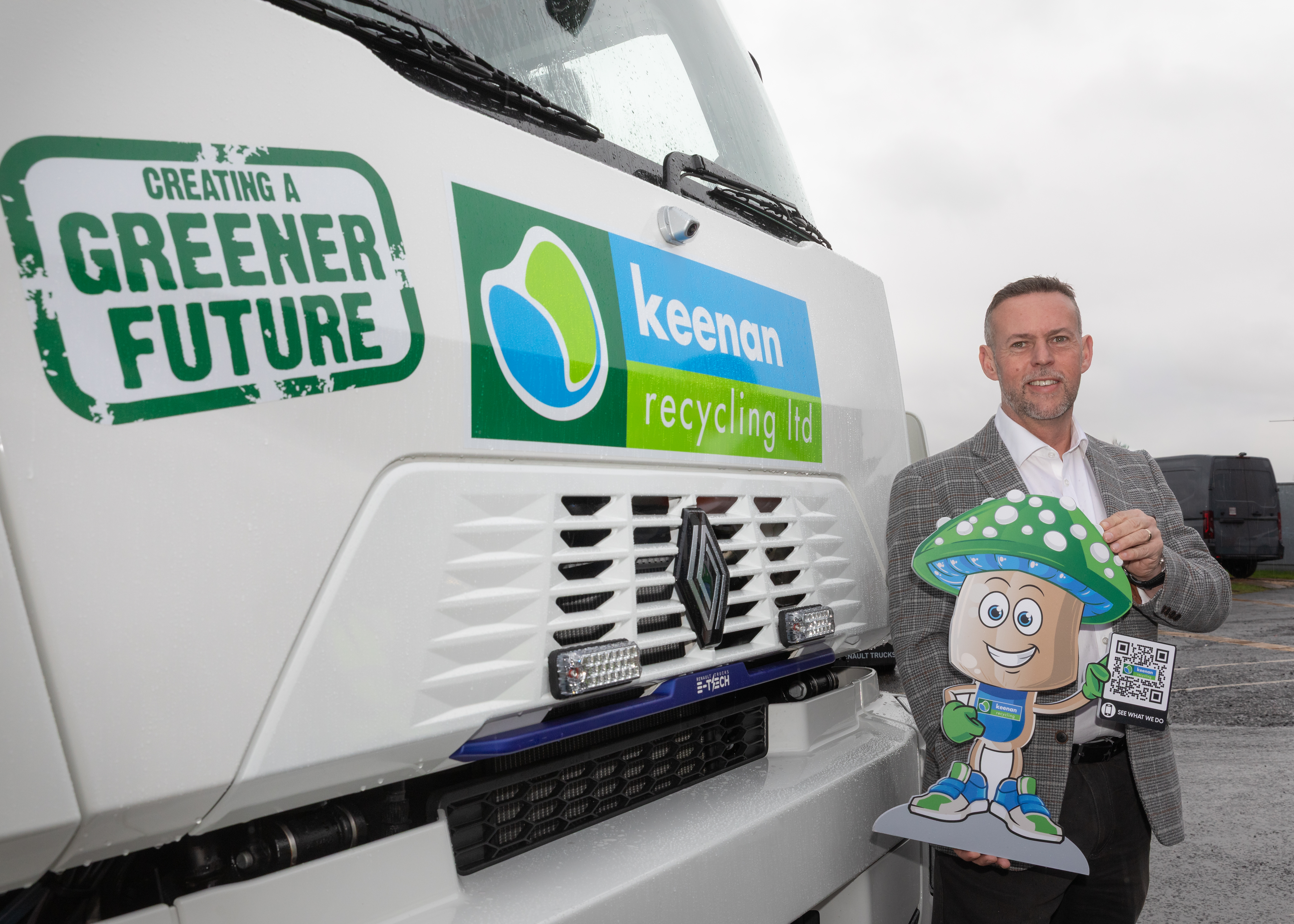
Role of Keenan Recycling
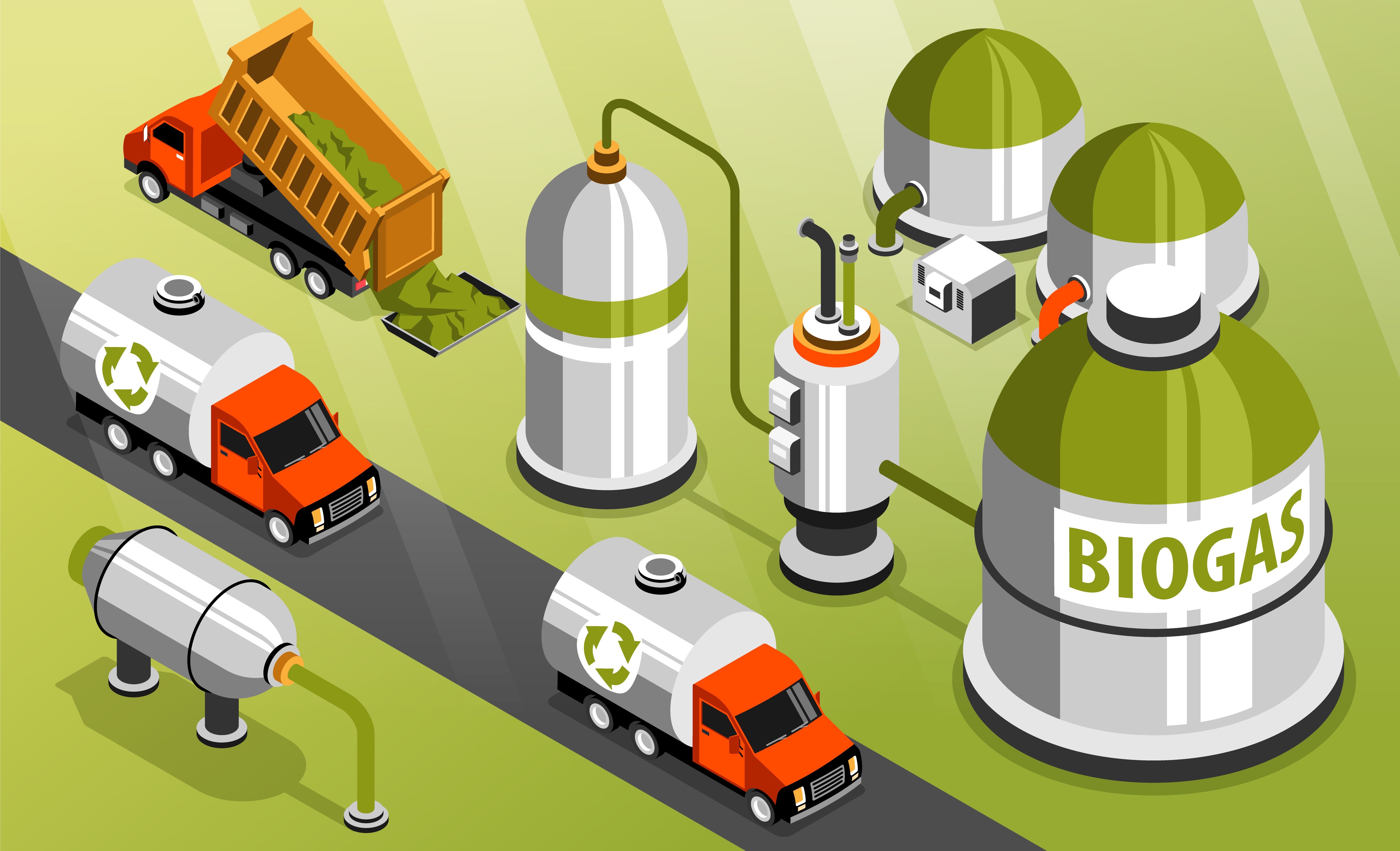
Keenan Recycling is committed to supporting businesses in their efforts to reduce food waste. Our comprehensive range of services, including food waste collection, recycling, and energy generation, can help businesses meet their food waste reporting obligations.