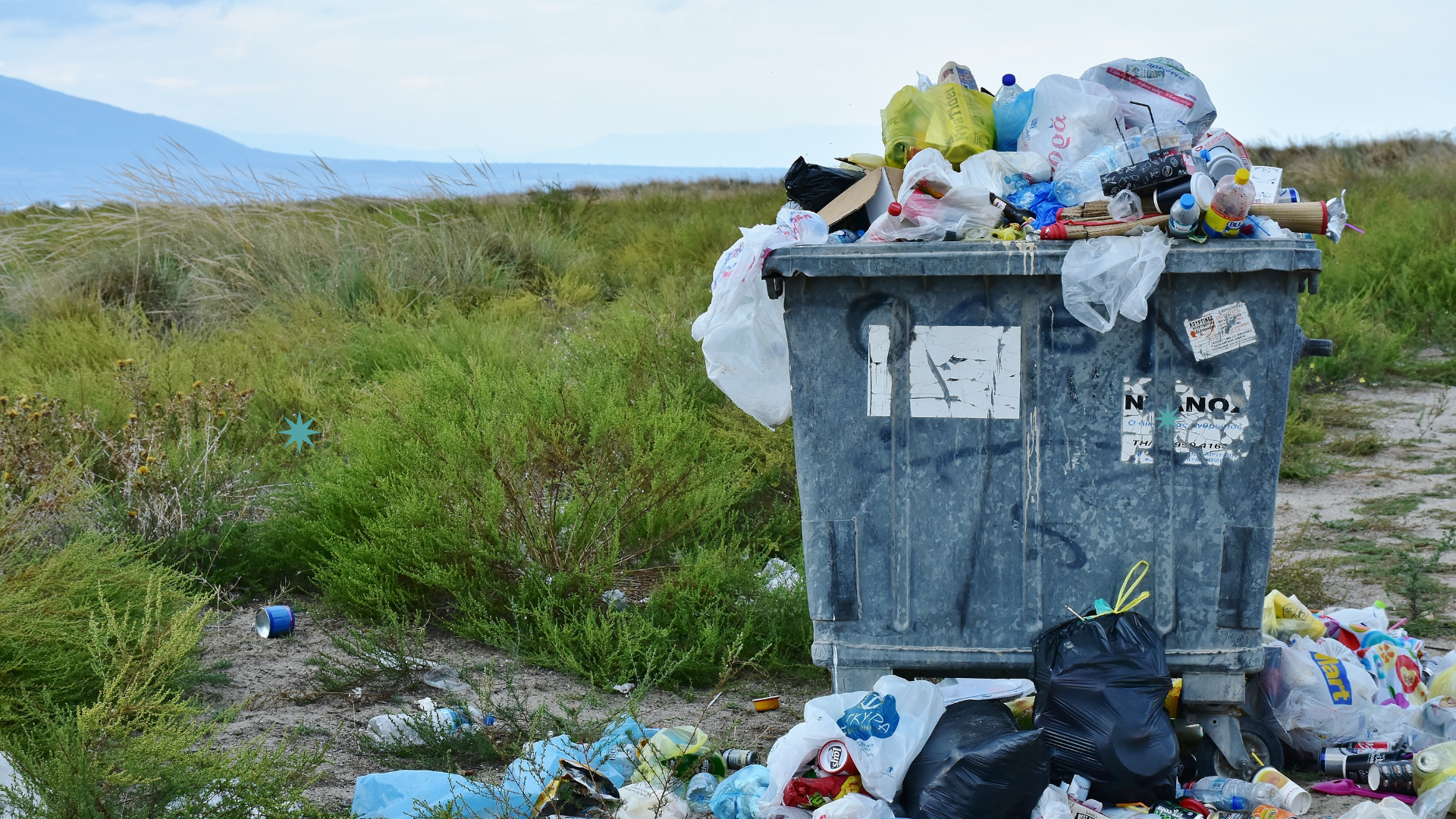

Starting 31st March 2025, England will see the implementation of the Simpler Recycling legislation, a new initiative that requires businesses with more than 10 employees to separately recycle food waste and dry recyclables from general waste on-site, with collection arrangements in place. With only 52 days left until these regulations come into effect, businesses must act fast to ensure they’re compliant. Failure to meet these new requirements could result in unlimited fines, making it essential to understand what needs to be done.
In a recent Rethinking Food Waste webinar, experts from across various sectors shared insights into the evolving food waste landscape and how businesses can rise to the challenge. Here’s a breakdown of the key points discussed.
Why Simpler Recycling is crucial
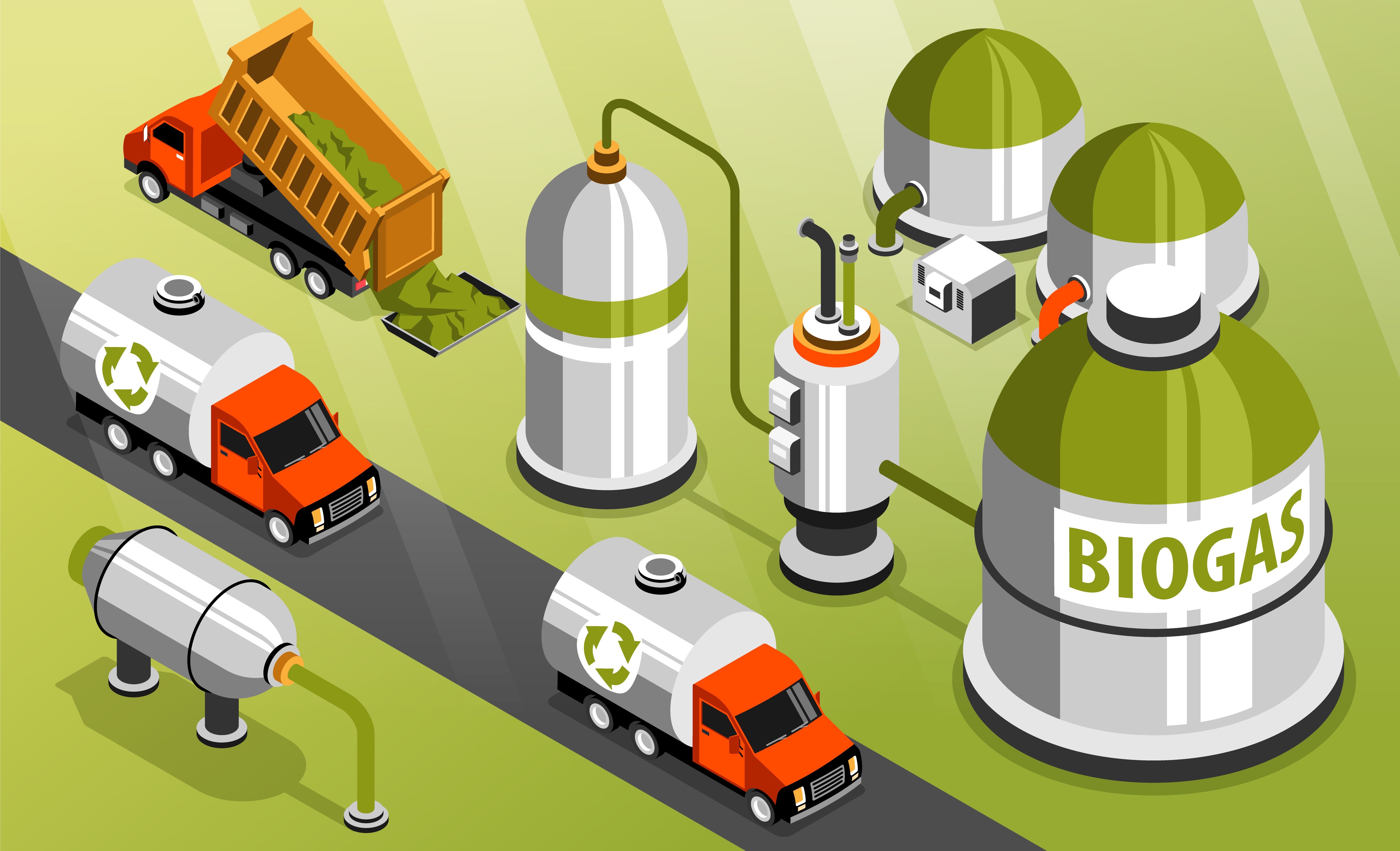
Ben Clibbery from Rubbermaid emphasised that, over the last decade, recycling rates across the UK have stagnated at around 45-46%. “Food waste, in particular has become a significant challenge with an estimated 50% of what we dispose of in our general waste bins being food. This food waste, if separated, can be processed into renewable energy through anaerobic digestion, offering a sustainable solution,” he said.
The introduction of the Simpler Recycling legislation is seen as a critical step in pushing businesses to improve their waste management processes and help the environment while also reducing disposal costs.
The rising landfill tax, which will increase by 20% on 6th April 2025, means that the cost of disposing of general waste is about to become more expensive. This further strengthens the case for businesses to invest in recycling and food waste management strategies now before costs escalate.
How businesses are preparing for Simpler Recycling
Many businesses are already working towards ensuring they’re fully compliant with the new regulations. Alex Rollinson, at Marston’s who operates pubs and hotels, shared his approach “The key thing is preparing logistics, getting additional bins in place, identifying gaps, and figuring out how to do this in a cost-efficient way. We need to provide bins at 287 sites by the start of February.” He explained that some sites don’t serve food, so they’re focusing on providing the right bins without overcomplicating the process.
Sodexo, serves food across more than a thousand sites in various sectors, including schools, universities, and live events, the challenge lies in finding bin solutions that fit their diverse outlets. Catherine Burrows explained that food waste has always been on their radar but managing it at such a large scale requires innovative, scalable solutions.
Meanwhile, Hilton Hotels is nearly 100% compliant with the new rules. Emma Banks from Hilton highlighted the importance of collaboration: “It’s key to work with our nominated partners, like SUEZ, to ensure our food waste, dry waste, and general waste are all handled separately.”
Addressing customer concerns
When asked about customer concerns regarding the new legislation, Ben Clibbery pointed out that businesses often feel overwhelmed, especially those struggling financially. “One of the biggest challenges is the cost and resources required to make changes,” Ben said. “Many businesses don’t have dedicated staff or the expertise to implement waste separation strategies.” To address this, we focus on helping businesses sort waste before it’s taken off-site, providing a practical solution to a challenging issue.
Are the new rules more complicated?
In some ways, the introduction of Simpler Recycling in England is a continuation of practices already established in Scotland and Wales. Catherine Burrows noted that while the wording may differ, the underlying principles remain the same.
Broader food waste management issues
Food waste reduction isn’t just about compliance, many businesses have set ambitious goals to cut their food waste for environmental and social reasons. For example, Sodexo has committed to reducing food waste by 50% by 2025 as part of its Better Tomorrow strategy.
Catherine Burrows shared that Sodexo has already achieved a 42% reduction in food waste across 78% of its food spend. The company uses a technology called Waste Watch, which helps them track waste and set specific goals. “When businesses set goals using this system, they reduce waste by a further 10% compared to those that don’t,” Catherine explained.
At Hilton, Emma Banks discussed how they partner with an AI technology that helps chefs make more profitable and sustainable decisions in the kitchen, aiming to cut food waste in half.
Similarly, Alex Rollinson shared how they’re working with Too Good To Go they also reviewing their menus and reformulating items that weren’t selling to help reduce food waste.
Take action now
With the deadline for Simpler Recycling quickly approaching, businesses need to start planning their food waste and recycling strategies. Keenan Recycling can help businesses navigate the complexities of food waste and recycling, providing practical solutions tailored to your needs. With the right preparation and a strategic approach, businesses can not only comply with the new rules but also make a real difference in reducing their environmental footprint.