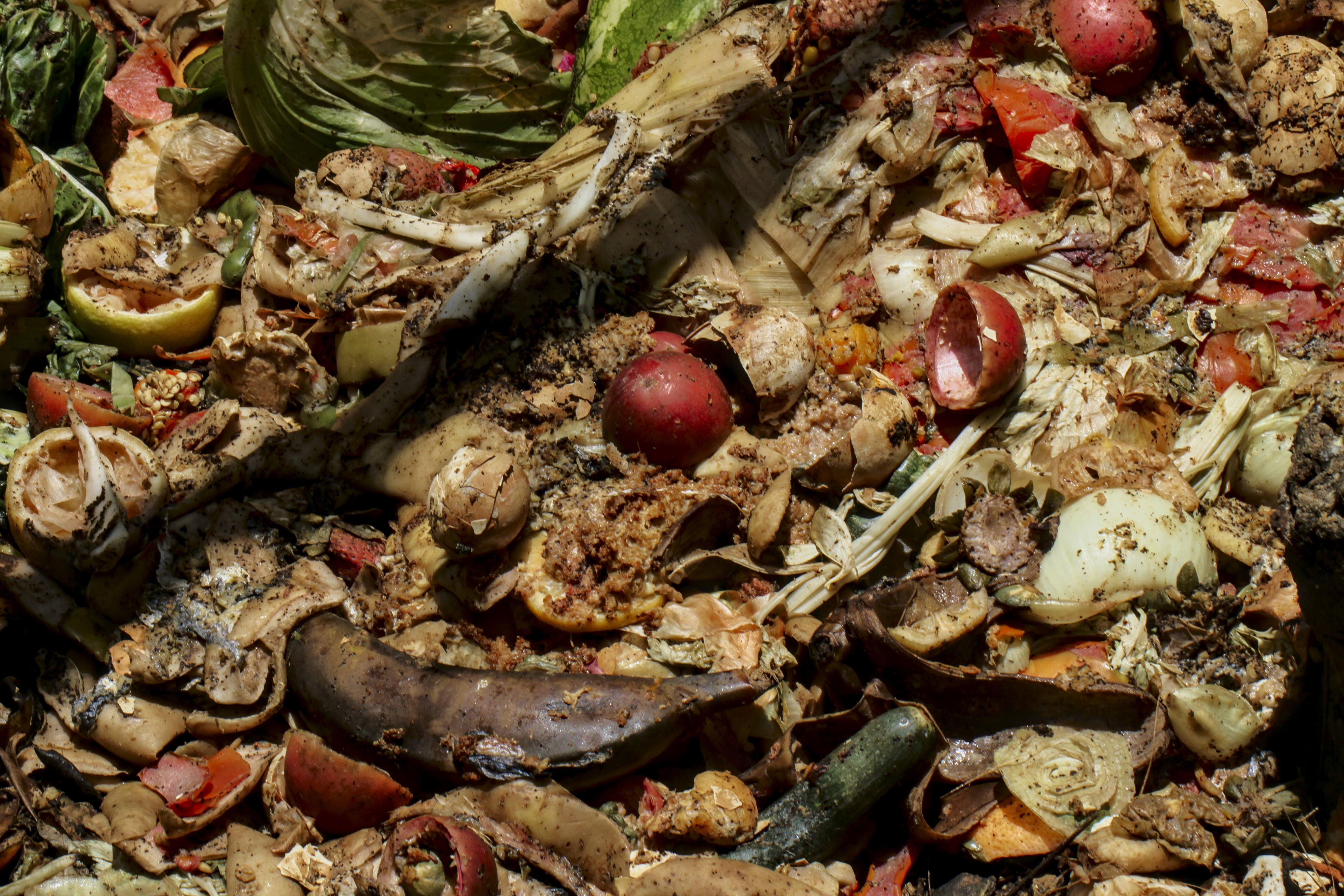

Most people during their weekly shop have bought too much food and have been left with rotting vegetables at the bottom of the fridge. All this waste adds up and amounts to around 1.3 billion tonnes of food produced for human consumption, enough to feed those going hungry worldwide, which is thrown away. This is a worldwide problem, and we need to come up with a solution quickly for a more sustainable future.
The global challenge of food waste
It’s concerning how much food and resources are wasted worldwide daily, especially considering the significant impact on the environment and food security. Around one-third of food produced is either wasted or lost during the supply chain or caused by consumers’ bad habits. In industrialised nations, attitudes towards waste often lean towards convenience, leading to higher levels of waste generation. This differs from lower-income countries, where most of the time food waste is caused by a lack of correct storage facilities. This issue can be reduced with better education put in place to make the public aware. Reducing food waste not only helps to conserve resources but also plays a very important role in reducing climate change.
Food waste and climate change
The biggest impact of food waste is on the climate crisis. Estimates suggest that 8% to 10% of global greenhouse gas emissions are associated with food that is not consumed. Statistics show that “if food loss and waste were a country, it would be the third biggest source of greenhouse gas emissions.” Retailers are very adept at pushing waste both upstream and downstream. Suppliers frequently end up with surplus production, while consumers are encouraged to purchase more than they can consume through bulk deals and pricing that makes larger sizes more economical.
Strategies for reducing household food waste
There are many ways to reduce the amount of food waste households create:
- Only buy what is needed, make a list of all the items you need, and know you will use
- Check that items are stored correctly
- Move old items to the front and put new products at the back
- Use leftovers to make other meals
- Donate any items you know you’re not going to use to food banks, for example
- Understand dates. ‘Use by’ indicates a date by which the food is safe to be eaten, while ‘best before’ means the food’s quality is best before that date, but it is still safe to eat after that date.
Solutions for reducing food waste for food businesses
A good way to prevent food waste in restaurants, shops, and cafes is for these places to do a bagful of items that are left over at the end of the day, that would go into the bin anyway. These bags would be put at a discounted price to reduce the amount of waste, and it also allows the public to buy food items at a cheaper price. There are different apps out there, but the most popular is Too Good to Go. This app shows all the restaurants, shops, and cafes nearby that are offering this offer. This is a good way to reduce the amount of food waste restaurants/shops and cafes face. A disadvantage of Too Good to Go bags is that the bags will contain a mixture of items people want and those they don’t. This makes the food waste just move from the supermarket bin to your bin at home, and you’ve paid for it.
Keenan Recycling turning food waste into sustainable solutions
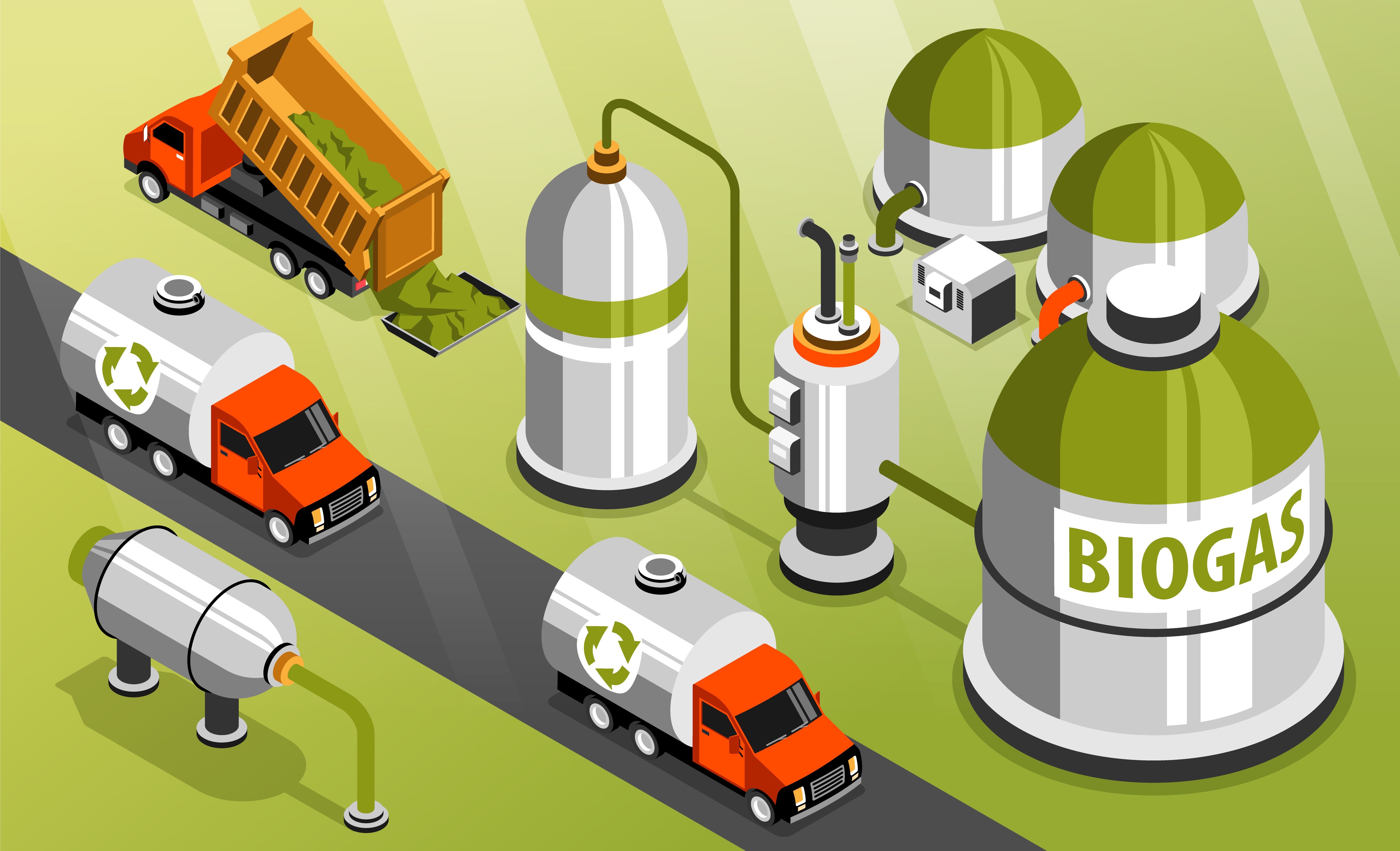
The hidden crisis of food waste closely relates to Keenan Recycling, as the organisation focuses on sustainable waste management solutions. By addressing food waste, Keenan can help retailers and consumers reduce the amount of food waste. Recycling your food waste correctly can allow Keenan to turn your waste into something new. With the use of high-end technology, Keenan makes the most of any food waste by taking it to anaerobic digestion plants, where it is converted into biogas that can be used for electricity, heat, or even biofuel for transport. Implementing strategies to minimise food waste not only aligns with our mission but also contributes to a more sustainable future by promoting recycling, composting, and responsible consumption practices.
Tackling the hidden crisis of food waste is important to creating a sustainable future. By adopting mindful consumption practices and supporting initiatives like those offered by Keenan Recycling, we can play an active role in reducing waste and creating a more sustainable future.