Food waste recycling in schools: children are the future of the Circular Economy

Food waste recycling in schools across the UK is no longer just an operational concern. It’s becoming one of the most powerful tools we have for shaping a sustainable future.
Children are growing up in a world facing climate change, resource scarcity, and rising waste volumes. The good news? When sustainability education starts early, it doesn’t just reduce waste today. It builds a generation that naturally thinks circular.
At Keenan Recycling, we believe children are central to the future of the UK’s circular economy, and schools play a vital role in turning that belief into reality.
Why food waste recycling in schools matters
UK schools and nurseries produce significant volumes of food waste every year. Uneaten lunches, preparation waste, and leftovers are often unavoidable, especially in early years settings where appetites and preferences change daily.
But food waste recycling in schools is about far more than managing bins. It is an opportunity to:
-
Teach children where food comes from and where it goes
-
Show that waste can become a resource, not a problem
-
Embed sustainable habits that last into adulthood
-
Reduce carbon emissions
When children learn that food waste can be recycled into renewable energy or soil nutrients, sustainability becomes tangible rather than theoretical.
Children as the foundation of the Circular Economy
The circular economy relies on reducing waste, reusing materials, and keeping resources in use for as long as possible. These principles are most effective when they are learned early.
Children today already develop complex skills at a young age from digital creativity to problem-solving. Adding sustainability and recycling into that mix creates future citizens who instinctively ask:
-
Can this be reused?
-
Can this be repaired?
-
Can this be recycled?
-
What happens if it isn’t?
Food waste recycling in schools helps answer these questions in a way children can understand and apply at home, influencing entire families and communities.
Making food waste recycling part of everyday school life
The most successful food waste recycling initiatives in UK schools are those that are visible, simple, and consistent.
Key elements include:
-
Clearly labelled food waste bins
-
Age-appropriate explanations of what happens to food waste
-
Visual cues that show the journey from waste to resource
-
Regular routines that make recycling second nature
When food waste recycling becomes part of daily school life, children don’t see it as an extra task, it becomes normal behaviour.
Education beyond the classroom
Food waste recycling in schools often sparks learning far beyond the lunch hall.
Children who understand recycling frequently:
-
Talk about food waste at home
-
Encourage families to separate waste correctly
-
Become more conscious of portion sizes and leftovers
-
Show interest in growing food and composting
This ripple effect is one of the most powerful outcomes of school-based recycling programmes. A single lesson can influence habits across households and communities.
Learning from UK schools and nurseries
Across the UK, many schools and early years settings are already embedding food waste recycling into their sustainability efforts. These initiatives show that even very young children can understand circular concepts when they are presented in the right way.
Keenan Recycling has seen firsthand how simple, well-supported food waste recycling systems in educational settings can:
-
Reduce food waste
-
Increase awareness of sustainability
-
Support wider environmental education goals
Even light-touch initiatives can have a lasting impact when children are actively involved.
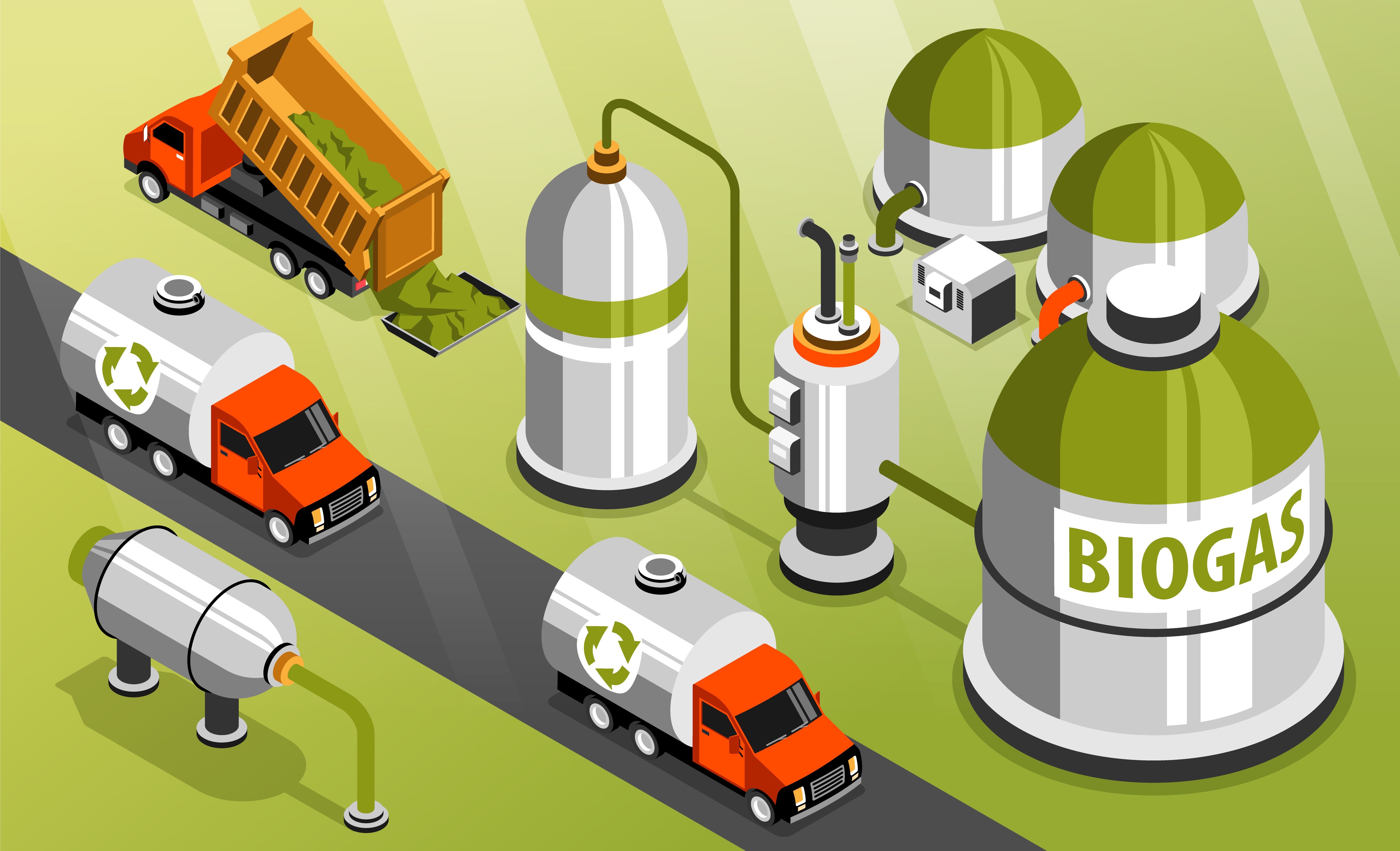
From food waste to renewable energy
A key part of food waste recycling in schools is helping children understand what happens next.
Food waste collected separately can be processed to:
-
Generate renewable energy
-
Produce nutrient-rich digestate for agriculture
-
Reduce greenhouse gas emissions
Explaining this process in simple terms helps children connect everyday actions to real-world environmental outcomes, a crucial step in building circular thinking.
Building lifelong sustainable habits
The habits children develop in school often stay with them for life. When recycling and waste reduction are taught early, they become automatic rather than forced.
By embedding food waste recycling in schools, the UK is:
-
Investing in long-term environmental behaviour change
-
Supporting national sustainability and waste reduction goals
-
Empowering children to become environmental leaders
The future circular economy will be shaped not just by technology and policy, but by people and those people are sitting in classrooms today.
Supporting the next generation of Circular thinkers
At Keenan Recycling, we are proud to support food waste recycling in schools and nurseries across the UK. By working alongside educators, local authorities, and waste management partners, we help create systems that are practical, educational, and future-focused.
Because when children understand that waste isn’t wasted, the circular economy stops being a concept and starts becoming a way of life.
Looking to improve food waste recycling in your school or nursery?
Keenan Recycling works with education settings across the UK to deliver reliable food waste recycling solutions that support sustainability education and long-term environmental goals.