Simpler Recycling: How councils in England can prepare for the March 2026 food waste collections deadline

The countdown has begun. By March 2026, local authorities across England will be legally required to implement weekly food waste collections from all households. This significant change, mandated by the Simpler Recycling legislation, also extends to every business within your borough. The deadline is approaching fast, and the key to a smooth, cost-effective transition lies in preparation.
Fortunately, vital support is now available. WRAP has released its updated Household Food Waste Collection Guide, a crucial roadmap designed to help English councils plan and execute compliant food waste strategies.
At Keenan Recycling, we understand the operational and financial pressures this presents. This post will break down what you need to know from WRAP’s guidance and how we can partner with you to ensure your council and its local businesses are ready.
Understanding the Simpler Recycling timeline
The Simpler Recycling legislation is being rolled out in phases. While larger businesses have been required to separate their waste since March 2025, the next major deadline affects everyone:
- From March 2026: All local authorities in England must provide weekly food waste collections to households.
- From March 2027: All businesses in England (including micro-businesses) must separate dry recycling and food waste.
This means councils are not only responsible for household collections but also for ensuring the commercial businesses in their jurisdiction have a compliant food waste service in place.
WRAP’s updated guide: what councils need to know
WRAP’s updated guide is an invaluable tool for any local authority currently planning its transition. Drawing on extensive studies and pilot programs, it provides a blueprint for success. Key areas covered include:
- Effective collection systems: Analysis of separate weekly food waste collections versus mixed food and garden waste.
- Boosting participation: Strategies for engaging households and maximising food waste capture.
- Clear communication: Guidance on delivering communication campaigns that educate residents and businesses.
- Essential infrastructure: Specifications for the right caddies, liners, containers, and collection vehicles.
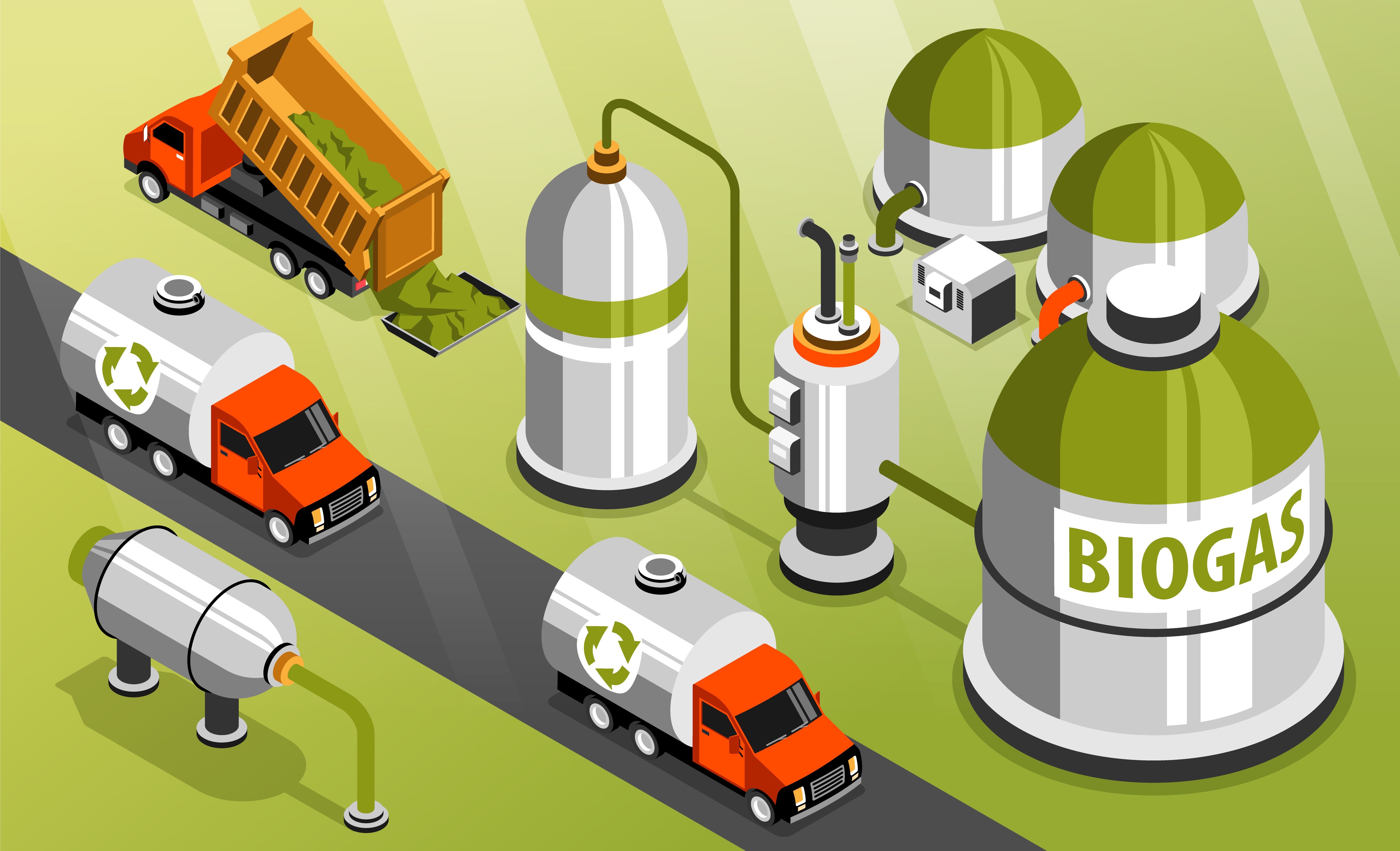
- Processing technologies: An explanation of the different technologies used to transform food waste into valuable resources like biofuel and compost.
For councils that do not currently offer a comprehensive food waste service, this guide highlights the considerable planning and investment required.
Impact on commercial businesses: challenge and an opportunity
A critical, and often complex, part of Simpler Recycling is ensuring every business within your council’s borders is compliant. From bustling restaurants in Manchester to office canteens in Birmingham and cafes in Bristol, all will need a separate food waste collection service.
This presents a logistical challenge for councils. However, it’s also an opportunity to partner with a trusted specialist who can manage this efficiently, taking the burden off your teams and providing local businesses with a reliable, cost-effective solution.
Keenan Recycling can help with the transition
This is where Keenan Recycling steps in. As the UK’s leading food waste collections company, we are already helping businesses and public sector organisations across England meet their environmental obligations.
We offer a partnership solution for English councils to ensure a seamless rollout of commercial food waste collections:
- Guaranteed compliance: Our services are fully compliant with Simpler Recycling legislation, giving you and your local businesses peace of mind.
- Proven expertise: We have the infrastructure, vehicles, and experience to handle food waste collections for businesses of any size.
- Circular economy in action: We don’t just collect waste; we transform it. All the food waste we collect is recycled into green energy and bio-fertiliser, contributing to the UK’s carbon reduction goals.
- Simplified rollout: By partnering with us to service the commercial businesses in your borough, you can focus your resources on the household collection rollout, confident that the commercial sector is in expert hands.
The March 2026 deadline is not just a regulatory hurdle; it’s a significant step towards a greener England. Let Keenan Recycling be your trusted partner in making this transition a success for your council and your community.
Don’t wait until it’s too late. Contact our team today to discuss how we can help your council prepare for Simpler Recycling.