
Despite being viewed as the most environmentally aware generation, Gen Z is falling behind when it comes to recycling, according to new research. A UK-wide survey reveals that younger adults are more likely to throw items away than recycle them, highlighting a significant gap between their eco-conscious attitudes and their recycling habits. Studies found that only 19% of Gen Z recycle all of their paper and cardboard, compared to 54% of the older generation, who are leading the way in recycling. This discrepancy points to a larger issue, while Gen Z is committed to sustainability, they face several barriers when it comes to proper recycling.
Barriers to Recycling for Gen Z
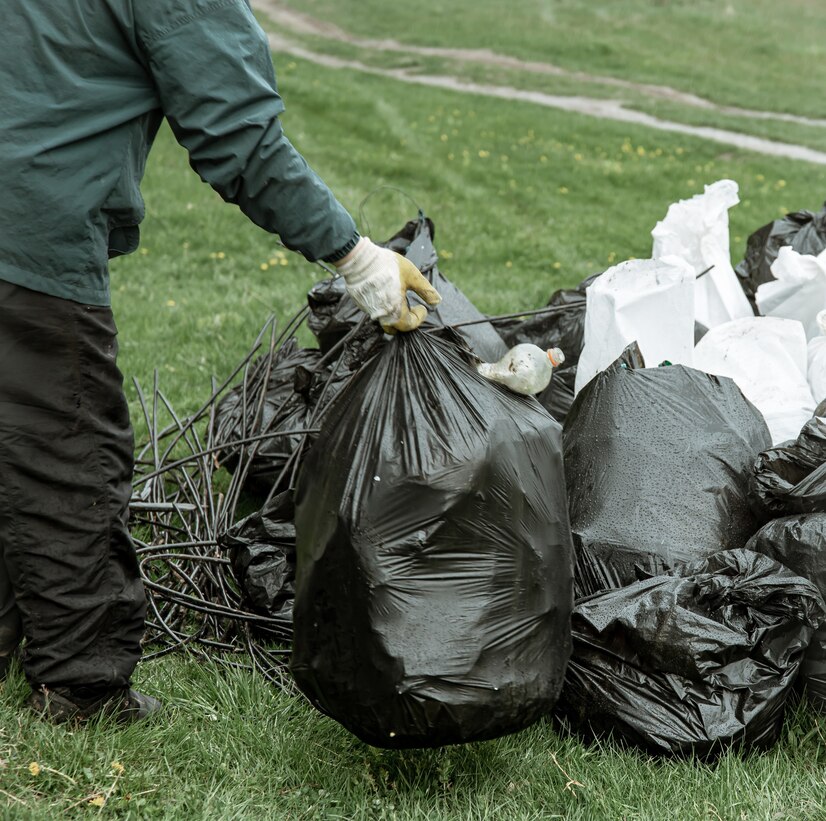
One of the biggest challenges is the lack of recycling bins in public spaces, making it harder for Gen Z to dispose of recyclables properly. Additionally, confusion around what can and cannot be recycled is a significant issue. More than half of Gen Z admits to being unsure about recycling rules, with common items like food waste and plastic bags often ending up in the wrong bin. A recent study from DS Smith, a sustainable packaging and recycling company, found that 92% of Gen Z has thrown something in the bin instead of recycling it simply because they couldn’t be bothered to clean it out.
Older generations lead in recycling efforts
In contrast, older generations especially Baby Boomers rate their home recycling practices highly. The older generation is the most likely to go the extra mile to ensure that items are disposed of properly, even in public spaces, While Gen Z may be behind in their recycling efforts, they do show a commitment to encouraging others to recycle. 64% of Gen Z said they would call out someone who throws away something that could have been recycled.
Gen Z’s recycling struggles
Lily Hay, a 20-year-old student, says, “I’m all for saving the planet and recycling properly. At home, my parents are very strict about recycling, and we do it right. But it’s hard to maintain that when I’m at university. Living with my friends makes it tougher because they’re not as dedicated to recycling, and we also live in a small flat in the city centre, so there’s not much space to recycle properly. But that’s not an excuse. As the younger generation, we should still make an effort to recycle properly. It’s important that we do our part to help save the planet, no matter the challenges.”
Lily also acknowledges a tendency in her generation: “Honestly, I think the younger generation can be a bit lazy when it comes to recycling. We often choose convenience over doing things the right way, even when it comes to something as important as the environment. It’s easy to just fling things in the bin instead of making sure they go in the right one. But we can’t keep using that as an excuse we have to push ourselves to be more responsible and take recycling seriously.”
Lily believes that, despite these struggles, it’s essential to make an effort: “Even though it’s not always easy, we all need to do our part. The environment depends on it, and the younger generation especially has to set an example.”
Closing the recycling gap
The research highlights that while Gen Z is eager to contribute to environmental causes, there is a clear need for better education and clearer guidance on recycling. With the UK’s recycling rates stagnating, it’s crucial to bridge the knowledge gap and encourage better practices across all generations. Only by working together can we ensure that everyone has the information they need to recycle properly and reduce the impact of waste on our planet.
How Keenan Recycling plays a role
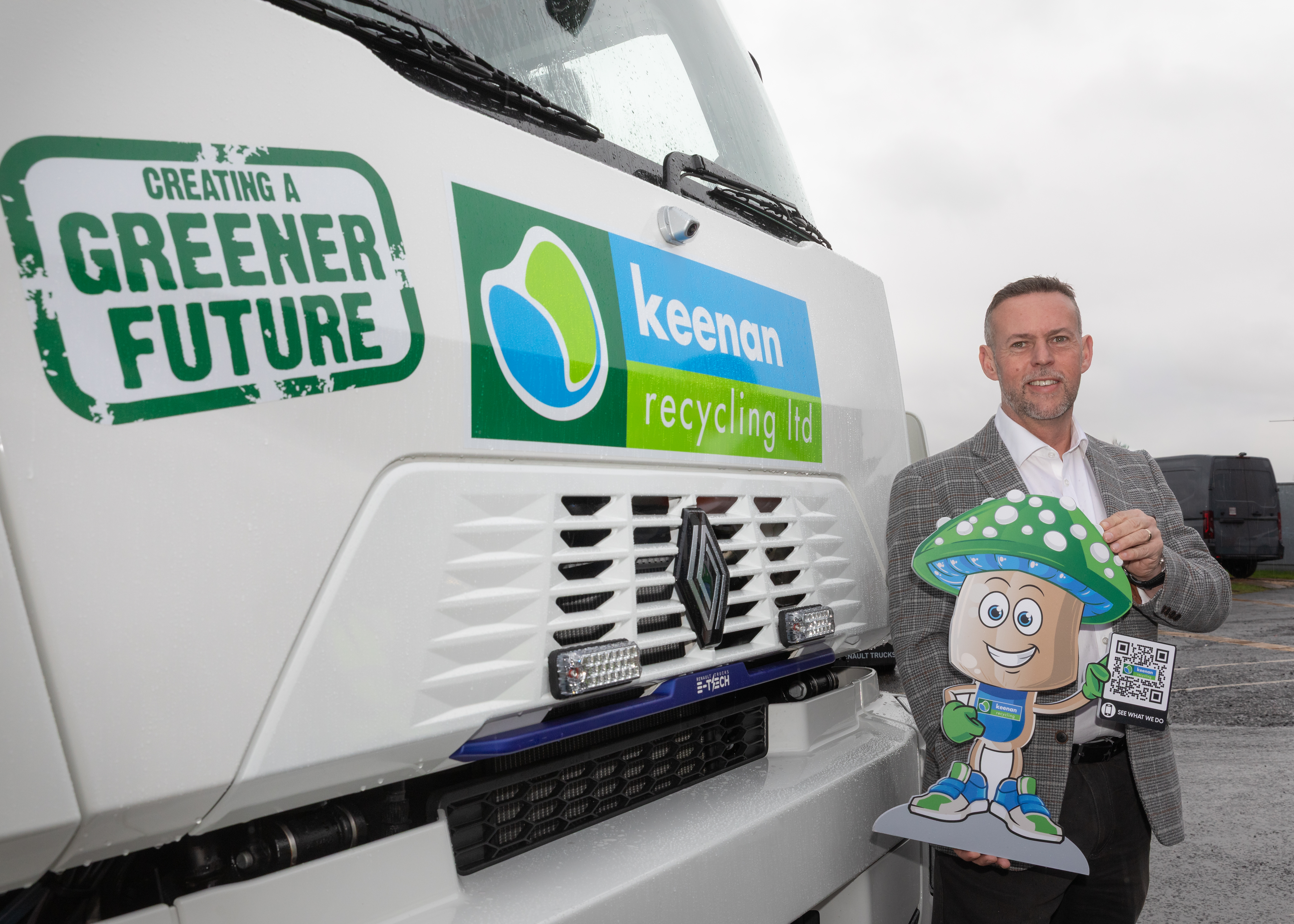
As a company committed to promoting sustainability and reducing waste, Keenan Recycling plays a key role in addressing the recycling challenges faced by younger generations. Keenan Recycling works to educate and provide easy-to-use solutions for both businesses and households, ensuring that waste is properly sorted and recycled. By helping to close the gap in understanding and making recycling more accessible, Keenan Recycling is supporting efforts to reduce contamination, improve recycling rates, and ultimately create a more sustainable future for everyone.