Greenwashing vs. Greenhushing: Why hiding your green wins is hurting your business

Worried about being accused of greenwashing? Don’t fall into the ‘greenhushing’ trap. Learn why transparency is key for UK businesses and how to confidently share your sustainability story.
Two traps of corporate sustainability
In the world of corporate sustainability, a credibility gap is widening. On one side, we have Greenwashing: the all-too-common practice of making loud, impressive environmental claims that aren’t backed up by meaningful action. It’s the corporate equivalent of shouting from the rooftops about changing a lightbulb while ignoring a leaky roof.
But on the other side, a newer, more subtle trend is taking hold: Greenhushing.
This is the deliberate act of downplaying or staying completely silent about genuine, hard-won sustainability achievements. Businesses that are making a real difference are choosing not to talk about it, and it’s a trend that is becoming worryingly common across the UK.
While greenwashing erodes trust through deception, greenhushing undermines progress through silence. For your business, both are traps to be avoided, but it’s the latter that could be costing you more than you think.
Rise of greenhushing: why are UK businesses staying silent?
You’ve invested in sustainable practices. You’ve separated your food waste, switched to a green energy supplier, and reduced your carbon footprint. So why wouldn’t you share that success? The reasons are often complex:
- Fear of scrutiny: The number one driver of greenhushing is the fear of being accused of greenwashing. In a climate of high consumer scepticism, many businesses believe it’s safer to say nothing than to say something that might be picked apart by critics.
- Imposter syndrome: Some companies feel their efforts aren’t “big enough” to warrant public attention. They worry that celebrating a 10% reduction in waste might seem insignificant compared to larger corporate goals, so they wait for perfection—a standard that never arrives.
- Lack of data: This is the most critical factor. Without concrete, verifiable data, any environmental claim feels weak. Many businesses simply don’t have the metrics to confidently state their impact, leaving them unable to turn their good intentions into a credible story. This is particularly true for Scope 3 emissions, which include waste management.
- Resource constraints: Small and medium-sized enterprises (SMEs), the backbone of the UK economy, often lack dedicated marketing teams to craft and communicate their sustainability narrative effectively.
Recent research highlights this trend starkly. Studies have shown a significant portion of UK companies, especially in service-led sectors like hospitality, are deliberately not communicating their environmental performance. A 2024 report by the Carbon Trust noted that while corporate climate ambition is growing, communication of these targets has stalled, partly due to fear of public backlash.
How greenhushing weakens your business
Staying quiet about your sustainability wins might feel like the safe option, but it comes with significant hidden costs:
- Lost competitive advantage: Consumers and B2B clients are actively seeking sustainable partners. A 2025 Deloitte survey confirmed that sustainability remains a key driver in purchasing decisions. If your competitors are confidently sharing their green credentials (backed by data), you are being left behind.
- Reduced employee engagement: Your team wants to work for a company that is making a positive impact. Sharing sustainability achievements internally and externally builds pride, attracts top talent, and fosters a positive company culture.
- Stifled industry progress: When forward-thinking businesses hide their successes, they prevent the sharing of best practices. This collective silence slows down innovation and makes it harder for the entire sector to move forward.
- Eroded trust: In the long run, silence can be interpreted as having something to hide. Proactive, transparent communication, even about challenges and future goals, builds more trust than a perfect, silent facade.
Antidote to greenhushing
So, how can your business break the silence without straying into greenwashing? The answer is simple: Data.
Vague claims like “we’re going green” are a hallmark of greenwashing. Specific, data-backed statements like “This year, we have recycled 15 tonnes of food waste, saving 10.5 tonnes of CO₂ and generating 2.5 MWh of renewable energy” are the antidote.
This is where your choice of partners becomes a strategic advantage. At Keenan Recycling, we believe our role extends beyond simply collecting your food waste. We are your data partner in sustainability. Every single lift, every bin, every tonne of organic material we process is tracked and measured.
We provide our clients with clear, regular reports detailing:
- Tonnes of food waste recycled
- CO₂ saved: The quantifiable carbon emissions your business has prevented.
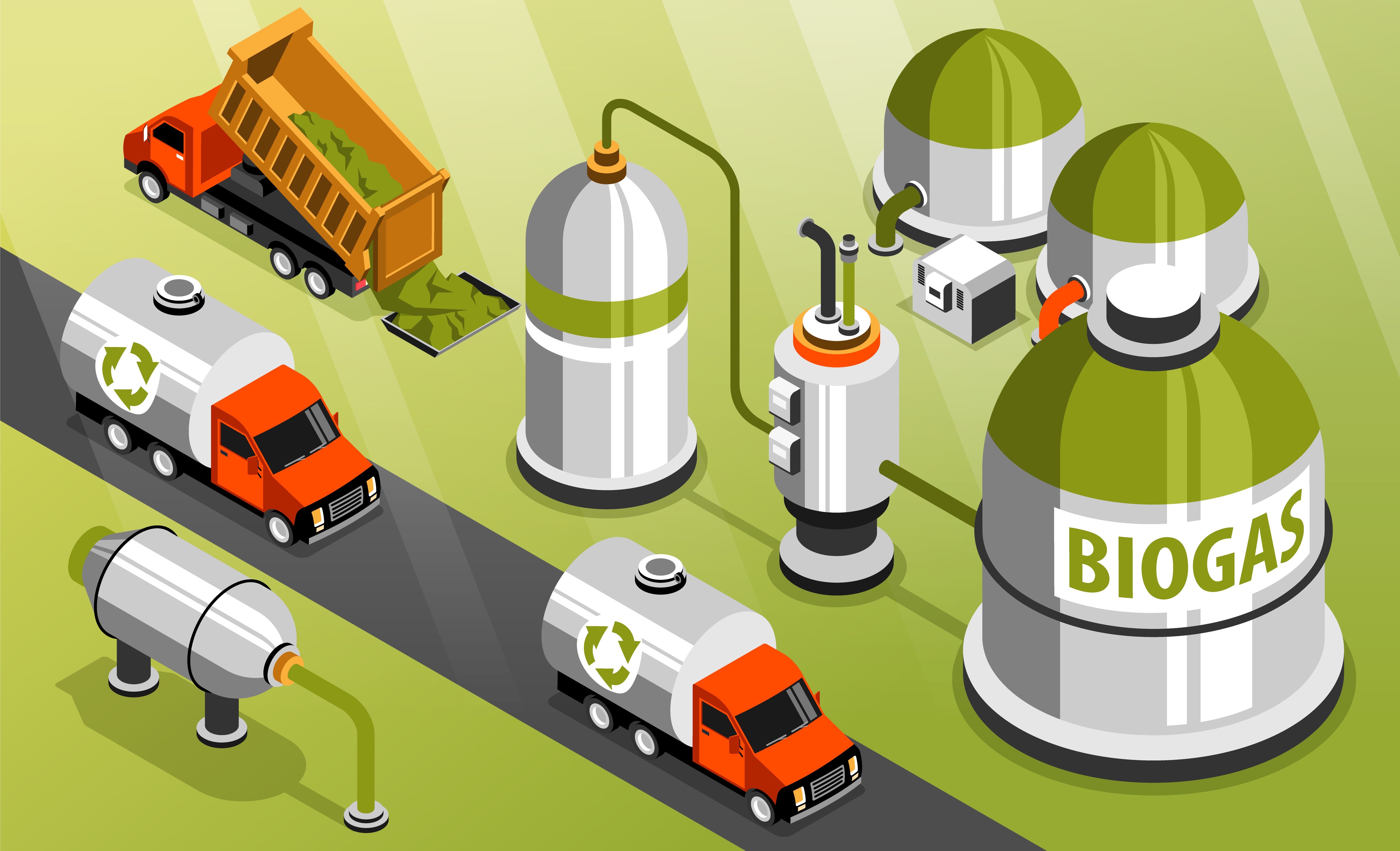
- Energy generated: The amount of renewable energy created from your waste through anaerobic digestion.
This isn’t an estimate; it’s a verifiable record of your positive impact. This data empowers you to move from silence to confident storytelling. It’s the evidence you need to populate your annual report, update your website, share on social media, and use in tenders to win new business.
Don’t hush your wins
The journey to sustainability is a process of continuous improvement, not a single destination. Perfection is not the goal; progress is. By being transparent about your actions and backing them up with solid data, you can avoid the traps of both greenwashing and greenhushing.
Our message to UK businesses is clear. Your efforts matter, and they deserve to be celebrated. Don’t let fear force you into silence. Share your journey, prove your impact, and use your story to inspire others.
Ready to turn your food waste into a powerful, data-backed sustainability story? Contact Keenan Recycling today and let us help you measure what matters.