It’s almost the most wonderful time of the year again. How is it December already! This year has just flown by. The festive season is a time for celebration, family gatherings, and, of course, enjoying delicious meals. Approaching this time of the year there are lots of seasonal produce leftovers. It’s a concerning issue, not just for the environment, but also for the economy and social responsibility. As we embrace the joy of the festive period, we must also remember the importance of minimising food waste and ensuring that we’re doing our part to make a positive impact. To reduce food waste through the festive season we can all make delicious new meals out of our leftovers. There are endless opportunities to turn food scraps into new meals!
A greener Christmas: reduce, reuse, and rethink holiday food waste
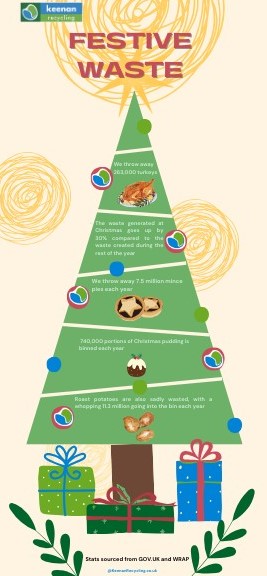
According to research, an estimated 4.5 million Christmas dinners are thrown away in the UK each year. This includes unwanted turkey, vegetables, and even mince pies. The festive period also sees a huge spike in food purchases much of which ends up in the bin due to overbuying, poor planning, and lack of storage. On top of that, food waste contributes significantly to greenhouse gas emissions when it decomposes in landfills. The waste doesn’t just stop at the main meals. All the extra treats, snacks, and leftovers from festive buffets often get forgotten and eventually flung out. The waste generated at Christmas goes up by 30% compared to the waste created during the rest of the year.
Tips for avoiding food waste this Christmas
As we celebrate the festive season, we can take a few simple steps to cut down on food waste, both at home and within the wider community. Plan and check what you already have bought to reduce the risk of re-purchasing the same item twice to cut down on waste.
Erin from Edinburgh is passionate about reducing food waste during the festive period. She comes up with creative ways to transform leftovers into new meals and snacks, ensuring less food ends up in the bin. Erin says, “Christmas dinner food always tastes better on Boxing Day anyway. There is never any food waste in my house!”
Make sure to check dates before purchasing your festive snacks and dinner to make sure the date will last till Christmas day, if not you can freeze what you can’t use before it goes out of date. 80% of people have thrown away food close to its use-by date without realising they could freeze it and keep it for a later date.
There are endless ways to make lots of other delicious meals out of your festive leftovers. With all the sweet treats you receive at the festive time you could use them to bake something and share with family and friends. If you find yourself with extra unopened food that you won’t use, consider donating it to food banks or local charities. They can distribute these items to those in need, ensuring that perfectly good food doesn’t go to waste and someone who isn’t so fortunate receives a Christmas dinner.
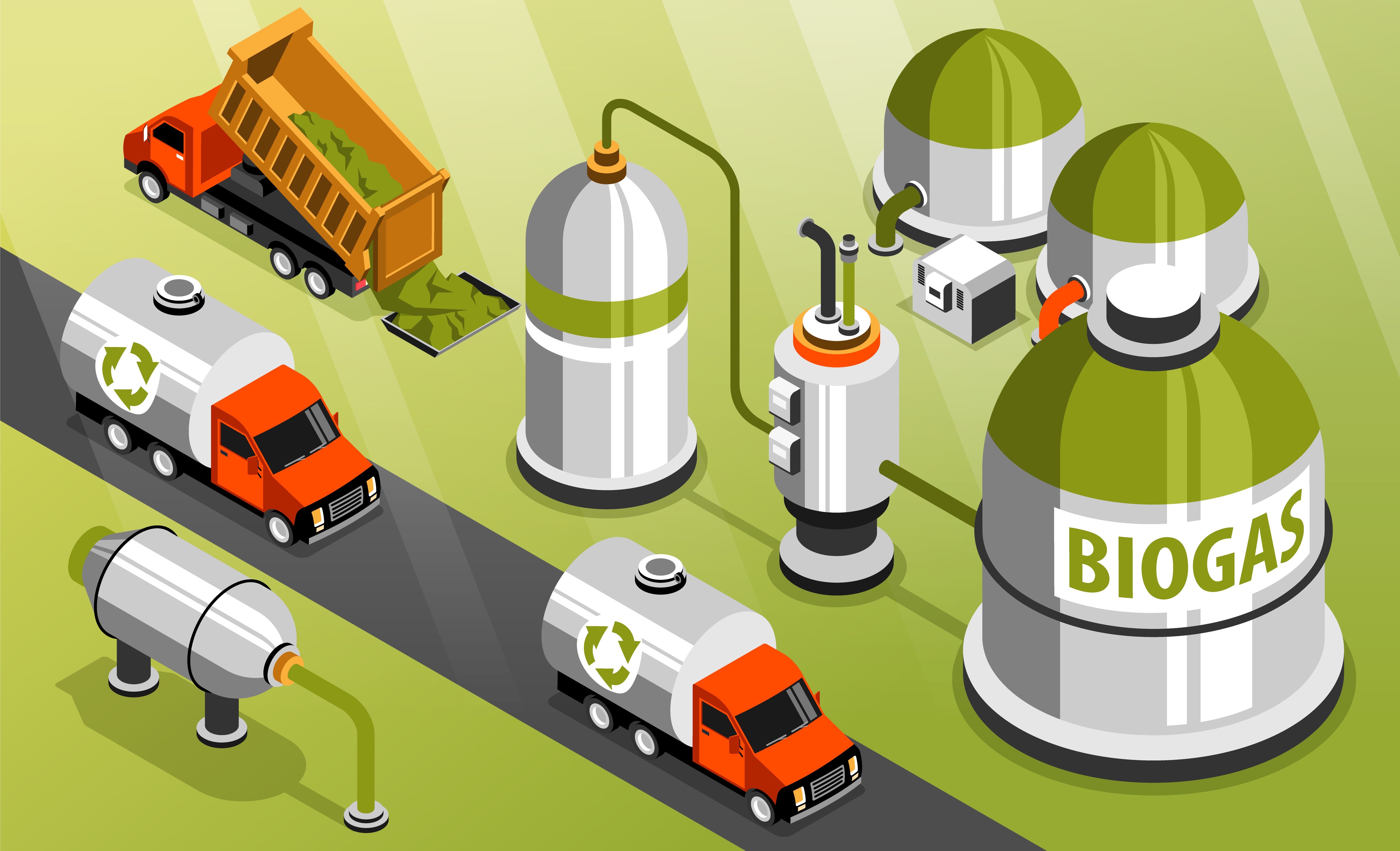
Dispose of your food waste correctly. You can compost what you don’t use or recycle your food waste into a food waste caddy. With just one caddy of Christmas food waste, enough electricity can be generated to power a television for two hours or a refrigerator for eight hours. Over one in seven British consumers buy more during the festive season.
Jack, a 21-year-old marketing student, finds it deeply frustrating how much food is wasted during the festive season. He explains, “It’s upsetting to see so much food ending up in the bin, especially when you think about how many people around the world, and even in our own communities don’t have enough to eat, let alone a proper Christmas dinner. It feels wrong to waste so much when others are struggling to put food on the table.”
Businesses can make a difference too
While individuals can make a difference, businesses also play an essential role in addressing festive food waste. Retailers, food producers, and hospitality businesses should be encouraged to prioritise waste reduction through better inventory management, donating surplus food, and implementing waste-reducing practices in their operations.
Sustainability starts with Keenan: Reducing food waste this holiday season
Keenan Recycling plays a key role in managing and recycling food waste, especially during the festive season when food waste tends to peak. By providing waste collection services, processing food waste into compost, and promoting sustainability, Keenan helps reduce the environmental impact of food waste and supports a more circular, eco-friendly approach to waste management.
Save the trees: Why artificial trees are a sustainable choice
It’s not just food waste generated during the festive period Each year, millions of Christmas trees are discarded after the festive season, contributing to significant amounts of waste. In the UK alone, it’s estimated that around 6 to 8 million real Christmas trees are sold each year, and a large portion of them end up in landfills once the holiday celebrations are over. Think about buying an artificial tree that can be used for years to come.
Adam Smith, from Leeds, explains, “Opting for a reusable Christmas tree is a practical and eco-friendly decision. It helps cut down on the environmental impact of chopping down a new tree every year, reduces waste, and is cost-effective in the long run. Plus, you get to enjoy a beautiful tree year after year without the hassle of disposal after the season.”
A waste-free festive period
Throughout this festive season, let’s focus on sustainability and reducing festive waste. By planning meals carefully, reusing leftovers, donating unused food, and composting scraps, we can make a meaningful impact. Every little effort counts, and if we all take small steps to reduce waste it will make a difference.