
In the ongoing pursuit of sustainable waste management, anaerobic digestion (AD) stands out as one of the most environmentally friendly methods of treating organic waste. AD offers a unique, efficient process for converting food waste into valuable resources such as renewable energy and natural fertilisers, all while minimising the environmental impact. At Keenan Recycling, we champion anaerobic digestion as an essential part of our waste management strategy, which plays a key role in driving our sustainability goals forward.
Anaerobic Digestion process
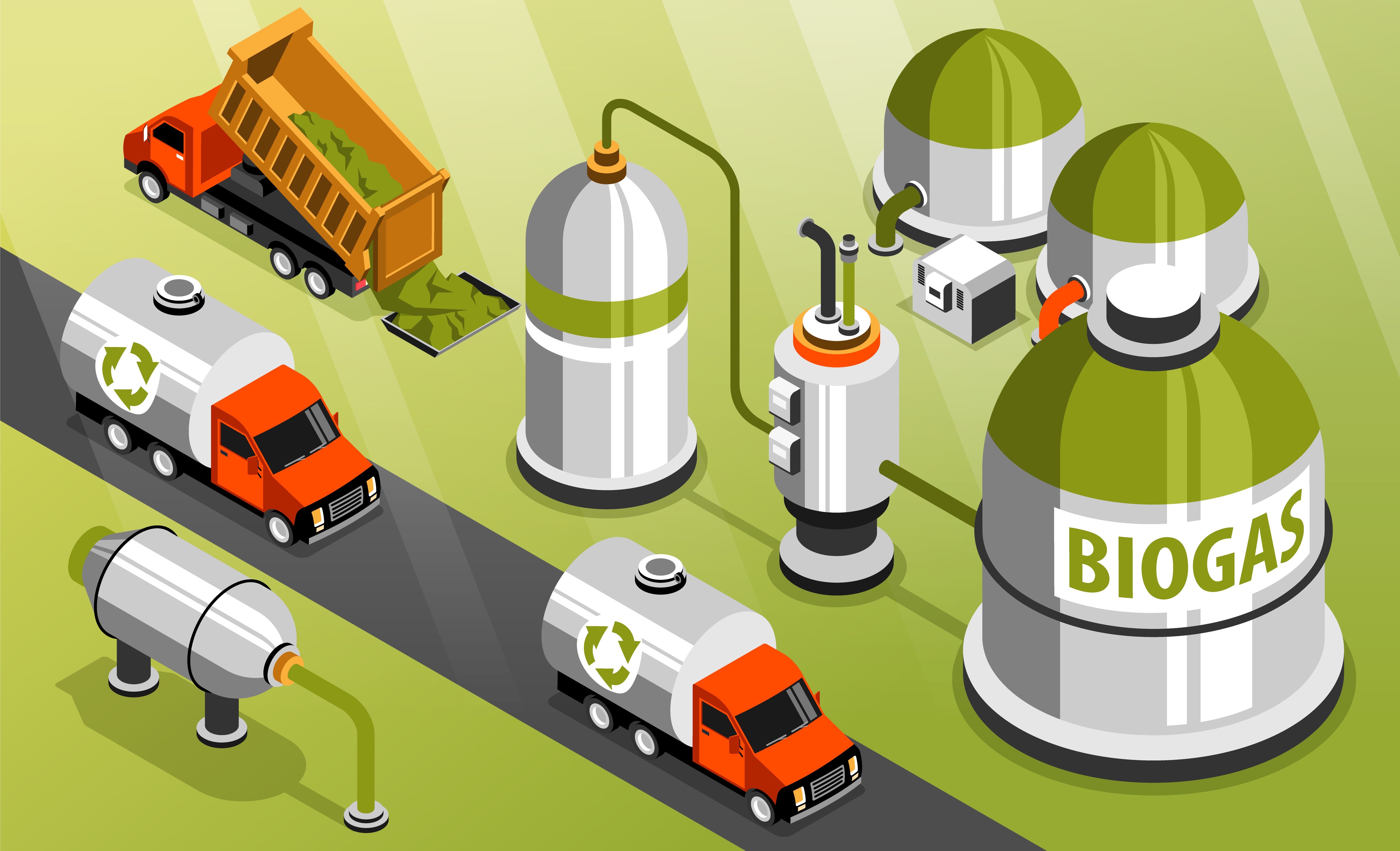
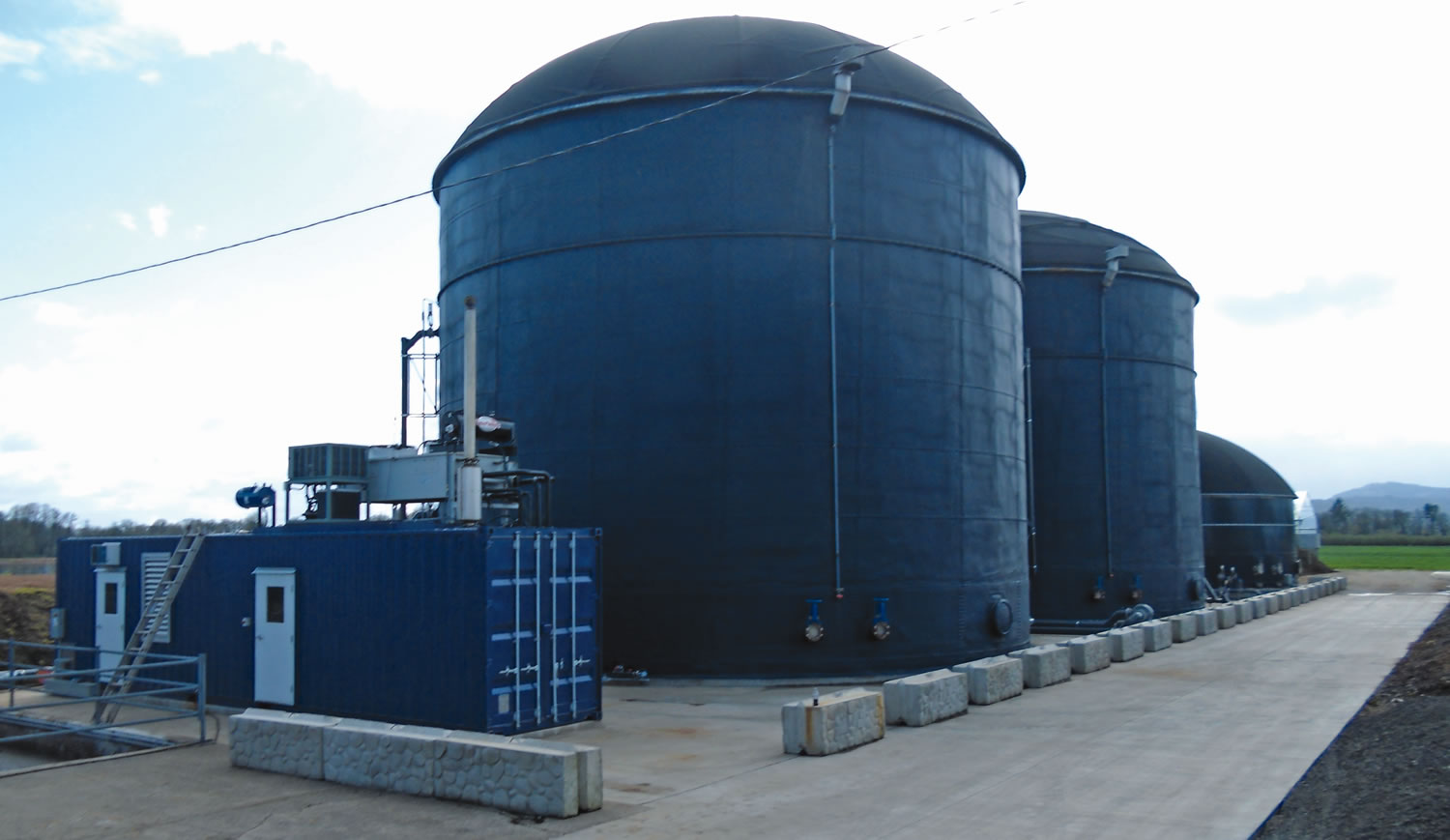
Anaerobic Digestion is a biological process where organic materials, like animal manure, food waste, and wastewater biosolids, are broken down by bacteria in the absence of oxygen. This occurs inside sealed reactors, specially designed to create the right conditions for microbial communities to work. The process results in two valuable outputs: biogas and digestate.
Biogas is a gaseous by-product, primarily methane, which can be used as a renewable energy source. This biogas can be harnessed to generate electricity or heat, contributing to the UK’s energy supply with a much lower environmental footprint than traditional fossil fuels.
Digestate, the solid and liquid by-product of AD, is a nutrient-rich material that can be used as a natural fertiliser in agricultural applications. This eliminates the need for synthetic fertilisers and supports sustainable farming practices.
Advantages of Anaerobic Digestion
Renewable Energy Production: The methane gas produced through AD is a renewable energy source, helping to reduce reliance on fossil fuels. This energy can be used to generate electricity, heat, or even fuel, contributing to cleaner energy solutions.
Reduction in Greenhouse Gas Emissions: By capturing methane, a potent greenhouse gas, AD prevents it from escaping into the atmosphere. This reduces the impact of food waste on climate change compared to landfills or incineration, where methane and carbon emissions are often released unchecked.
Nutrient Recovery: The digestate produced is rich in key nutrients like nitrogen, phosphorus, and potassium. This can be repurposed as a high-quality, natural fertiliser for agricultural land, reducing the need for chemical fertilisers and supporting sustainable farming practices.
Environmental Sustainability: Anaerobic digestion provides a comprehensive, environmentally friendly approach to waste management, recovering valuable resources while reducing the harmful impacts associated with other waste treatment methods.
Unique advantage of AD: nothing is wasted
While the benefits of AD are clear, one of its standout features is its ability to recycle and recover without waste. As Fergus Healy, Head of Strategy and Net Zero at Keenan Recycling, points out, “90% of what goes into an AD reactor comes out as liquid digestate, which is then used as a soil conditioning fertiliser. It is therefore a process which both recycling and recovery, a unique advantage of AD – nothing is wasted.”
This cycle of recycling and recovery makes AD an optimal process, especially when it comes to treating food waste. Unlike other waste management methods, where materials may be incinerated or sent to landfill, AD ensures that almost every part of the organic waste is utilised—either as energy or as a valuable by-product that benefits the environment.
Role of Keenan Recycling in anaerobic digestion
At Keenan Recycling, we operate across 27 depots in the UK. Our commitment to proper food waste treatment ensures that the organic waste we collect is processed in high-quality AD facilities, turning food waste into valuable resources in line with our sustainability mission.
We also prioritise the recovery and recycling of food waste through an advanced pre-treatment process. Our turbo separator technology uses water injection to efficiently separate organic materials from packaging, ensuring that the food waste is free from contamination before being processed into biofuel for anaerobic digestion. This step maximises the potential of the organic material and allows us to extract the highest value possible from the waste stream.
A great example of our impact is our partnership with the University of St Andrews. By working with our Anaerobic Digestion (AD) partners, we’ve transformed food waste into renewable energy.
“Our partnership with Keenan Recycling has been instrumental in helping us reduce our carbon footprint and make a positive impact on the environment,” said Andy Stahly, Environment Manager in the Environment and Transition Team at the University of St Andrews. “By diverting food waste and generating renewable energy, we are taking a significant step towards a more sustainable future.”
Shift from incineration to anaerobic digestion
As the UK government moves towards stricter waste management regulations, especially with the 2025 changes requiring the separate collection and treatment of food waste, the role of anaerobic digestion becomes even more crucial. The shift away from incineration, once seen as a preferable alternative to landfill, is now gaining momentum.
Incineration has long been used to manage waste food mixed with other materials, but it produces significant greenhouse gas emissions, especially when plastics are included in the waste stream. In contrast, anaerobic digestion produces only a fraction of the carbon emissions and has a far lower environmental impact.
Fergus Healy adds: “AD processes produce significantly fewer carbon emissions compared to both landfills and incineration. Furthermore, AD reduces the need for fossil fuel-based electricity or gas production and provides a valuable by-product: liquid fertiliser, which is a sustainable alternative to synthetic fertilisers.”
Future of waste management
In light of increasing regulations and growing environmental concerns, anaerobic digestion is fast becoming the optimal solution for food waste treatment in the UK. With its ability to produce renewable energy, reduce greenhouse gas emissions, and recover valuable nutrients, AD is the method of choice for those committed to sustainable waste management.
As Keenan Recycling continues to expand its operations, we are proud to be at the forefront of this sustainable transformation. By embracing anaerobic digestion, we help divert organic waste from incineration, turning it into resources that can benefit both the environment and the economy.
As we move toward a future of reduced food waste and increased resource recovery, anaerobic digestion will remain a key player in achieving a sustainable, circular economy.